Whiskey appreciation is often mistaken for a simple sensory act, yet it is actually a complex cognitive process. When a connoisseur raises a glass of bourbon or scotch, their brain orchestrates a symphony of memory, expectation, and physiological response. Flavor is not merely the chemical interaction of liquid on the tongue; it is a multisensory construct built by the mind. To truly understand why a specific bottle resonates with a drinker, one must look beyond the barrel and into the intricate psychology of perception.
The Olfactory Connection and Memory
The journey of whiskey begins long before the liquid touches the palate. Because the sense of smell is the only human sense directly linked to the amygdala and hippocampus — the brain’s emotional and memory centers — aromas have a unique power to trigger vivid recollections. A hint of woodsmoke might transport a taster to a childhood campfire, while a note of green apple could evoke a specific summer afternoon.
This “Proustian moment” is vital to the whiskey experience. The brain categorizes these chemical compounds based on personal history, meaning that two people can smell the same glass and experience entirely different emotional landscapes. This subjective layer adds a depth to the spirit that goes far beyond its chemical composition.
Visual Cues and the Expectation Effect
Our eyes often dictate what our taste buds will find. The deep amber hue of a long-aged whiskey signals richness, vanilla, and oak to the brain before the first sip is taken. Conversely, a pale, straw-colored spirit suggests youth, citrus, and a sharper bite.
Psychologically, these visual cues set a “baseline of expectation.” If a whiskey looks dark and syrupy but tastes light and floral, the brain experiences cognitive dissonance. This surprise can be pleasant, but it demonstrates how heavily we rely on sight to prepare our bodies for the consumption of complex flavors. The weight of the bottle and the design of the label further reinforce these unconscious biases.
Sensory Integration and Environment
The environment in which a whiskey is consumed acts as a silent ingredient. Lighting, background music, and even the texture of the chair can alter the perception of peat or caramel. High-frequency sounds have been shown to enhance sweet notes, while lower frequencies can make a spirit taste more bitter or smoky. This phenomenon, known as “sonic seasoning,” highlights that our brains do not process flavor in a vacuum.
Just as a relaxing atmosphere enhances the nuances of a fine malt, a well-structured digital environment can heighten the enjoyment of online leisure activities. For those who appreciate the same level of craftsmanship in gaming as they do in distilling, it is wise to check these free IGT demo slots on a site verified by dedicated casino and slots review platforms to ensure a high-quality experience.
These professional review sites provide the necessary transparency and reliability that allow players to focus on the game mechanics and thematic artistry without distraction. Having a trusted source for information ensures that the digital “environment” is just as polished and dependable as a high-end tasting room.
The Role of Retronasal Olfaction
While we often talk about “tasting” notes like leather, tobacco, or stone fruit, the tongue is actually quite limited. It can only detect five basic tastes: sweet, sour, salty, bitter, and umami. The vast majority of what we call “flavor” comes from retronasal olfaction.
This is why “the finish” of a whiskey is so highly regarded. As the liquid warms in the throat and vapors rise, the brain receives a second, often more complex, wave of information. The texture, or “mouthfeel,” also plays a psychological role; a creamy, oily whiskey feels more luxurious and substantial, leading the brain to perceive it as a higher-quality product.
Key Factors Influencing Flavor Perception:
- Temperature: Warmer spirits release more volatile compounds, intensifying the aroma.
- Dilution: Adding a drop of water can break the surface tension, “opening up” the whiskey.
- Glassware: The shape of the vessel concentrates vapors toward the nose.
- Social context: Sharing a bottle with friends often leads to higher satisfaction ratings.
Linguistic Influence and the Power of Suggestion
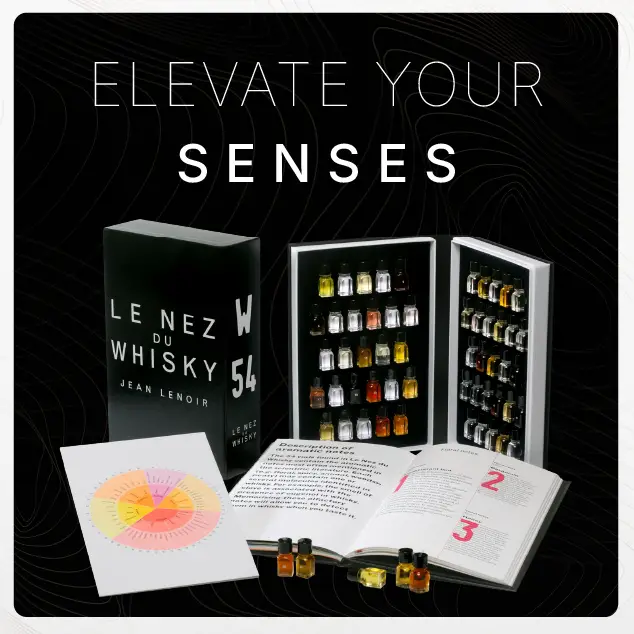
The words we use to describe whiskey actually change how we experience it. When a professional taster mentions “toasted marshmallow,” the brain begins to search for that specific chemical signature. Once the label is applied, the neural pathways associated with that flavor are reinforced, making the note much easier to detect.
This power of suggestion is not a sign of “faking” a palate; it is a fundamental part of how human perception works. Language provides a framework for the brain to organize chaotic sensory input. By naming the notes, the taster moves from a vague sensation to a concrete, identifiable experience.
Conclusion: The Holistic Pour
Whiskey tasting is a testament to the sophistication of the human mind. It is a hobby that rewards patience and mindfulness, requiring the taster to bridge the gap between physical sensation and intellectual analysis. By acknowledging the roles of memory, sight, and environment, we can appreciate that the most important ingredient in any glass of whiskey is the person drinking it.